Flat Clearance Rotherhithe: Recycling and Sustainability Commitment
At Flat Clearance Rotherhithe we place eco-friendly waste disposal area practices at the centre of every job. Whether you need a full Rotherhithe flat clearance, a single-room tidy or clearing a communal sustainable rubbish area, our focus is on diverting materials from landfill and maximising reuse. Our promise is to treat each collection as an opportunity to recover, recycle and donate responsibly.We set an ambitious recycling percentage target for every clearance: a minimum of 70% reuse and recycling of recoverable materials by 2027, with an interim target of 60% by the end of next year. This target applies to all types of flat clearance in Rotherhithe and aligns with broader London goals to reduce household waste and increase material recovery. Targets are monitored per job, and we publish anonymised figures to track progress toward a genuinely sustainable rubbish area in the borough.
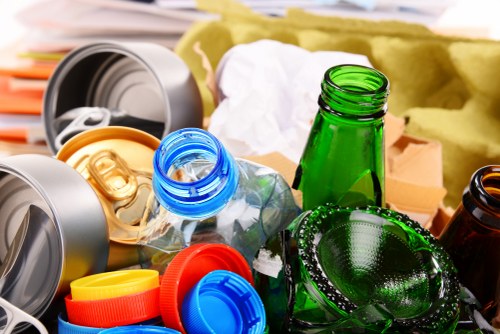 Southwark borough’s approach to waste separation informs our process. The borough encourages separate food waste collections alongside mixed dry recycling (paper, card, metal, plastic and glass) and larger items for separate streams. For Rotherhithe flat clearance work we pre-sort on-site into: furniture for reuse, electronics for repair and refurbishment, textiles for charity reuse, and hard-to-recycle fractions sent to specialist processors. We work with borough guidance to ensure local rules for waste separation are followed.
Local Transfer Stations and Recycling Hubs
We use approved local transfer stations and recycling hubs to ensure responsible processing. Our logistics plan includes taking materials to Southwark and neighbouring-borough transfer facilities and to larger London recycling hubs when required. By consolidating loads at transfer stations we reduce the number of long-haul journeys and ensure materials go to the correct processors for recycling or energy recovery. Key routing principles are efficiency, traceability and minimising carbon miles. Partnerships with charities and social enterprises are a core part of how we reduce waste. We work closely with local charity partners such as Emmaus projects in London, the British Heart Foundation furniture reuse teams, and community reuse organisations that accept usable household items. Where possible we coordinate collections with these partners so items like sofas, beds, appliances and clothing are redirected to those in need rather than being discarded. Our reuse-first model means fewer items reach recycling processors and more are given a second life.
We maintain formal agreements with community groups and reuse networks, setting clear quality and safety standards for donations. Items that cannot be reused are reclaimed for materials—metals, timber and certain plastics are separated and routed to specialised recyclers. The result is a measurable uplift in the amount of material diverted from disposal for each Rotherhithe flat clearance job we undertake.
Low-Carbon Vans, Logistics and On-Site Sorting
Our fleet is a mix of electric and low-emission vehicles to support an eco-friendly flat clearance Rotherhithe strategy. We use electric vans for inner-London short runs and modern Euro 6 low-emission vehicles for heavier loads, reducing NOx and CO2 emissions associated with collections. Drivers follow optimised routing to reduce mileage and time on the road, contributing to cleaner air in Rotherhithe and a smaller carbon footprint for each clearance. On-site sorting crews are trained to identify recyclable and reusable materials quickly and safely. Practical steps include:
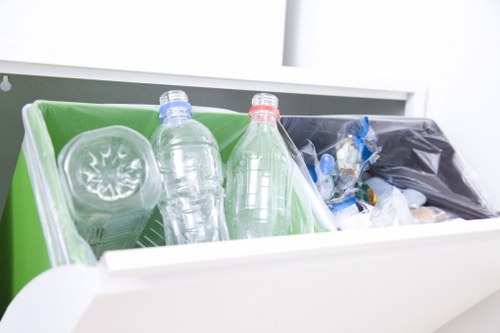 Creating a sustainable rubbish area is about more than trucks and transfer stations: it requires education, partnerships and performance measurement. We provide clients with a clear breakdown of how items were handled after a clearance, including percentages of reuse, recycling and remaining disposal. Transparency builds trust: knowing that a large proportion of materials were donated or recycled helps residents and landlords support circular-economy goals in Rotherhithe.
We also offer practical advice for improving long-term waste practices in communal areas. Simple changes—better signposting for recycling banks, scheduled collections for bulky items, and a local partnership scheme with charities—can transform communal waste management into a thriving sustainable rubbish area that benefits everyone in the neighbourhood. Community-led reuse events and furniture exchange days are low-cost, high-impact ways to keep usable items circulating locally.
Operationally, our commitment to low-carbon operations and charity partnerships is backed by regular audits of each Rotherhithe flat clearance. Audits monitor the recycling percentage target and track progress toward the 70% reuse and recycling goal. By combining proper on-site sorting, smart routing to local transfer stations and active charity partnerships we create a replicable model for eco-friendly waste disposal area management across London boroughs.
Conclusion: Flat clearance in Rotherhithe can be done responsibly. With an emphasis on reuse, recycling and low-carbon logistics, our approach turns clearances into positive environmental outcomes: less landfill, more donations, and cleaner streets. If you care about a greener Rotherhithe, choose services that prioritise sustainability, transparent recycling targets and community partnerships as part of every flat clearance.