Rotherhithe rubbish removal guide for Lower Road homes
If you live on or near Lower Road, rubbish clearance can feel deceptively simple until the bags start piling up by the front door, the lift gets awkward, or that old sofa suddenly looks much heavier than you remembered. This Rotherhithe rubbish removal guide for Lower Road homes is here to make the whole process clearer, calmer, and a lot less messy.
Whether you are clearing a flat after a move, getting rid of a broken appliance, or tackling a small build-up of household waste after a busy few months, the right approach saves time and avoids stress. It also helps you stay on the right side of disposal rules, which, let's face it, is the bit people often leave until the last minute.
Below, you will find a practical guide to how rubbish removal usually works in Lower Road homes, what to expect, what to avoid, and how to choose the simplest method for your situation.
Why rubbish removal matters in Lower Road homes
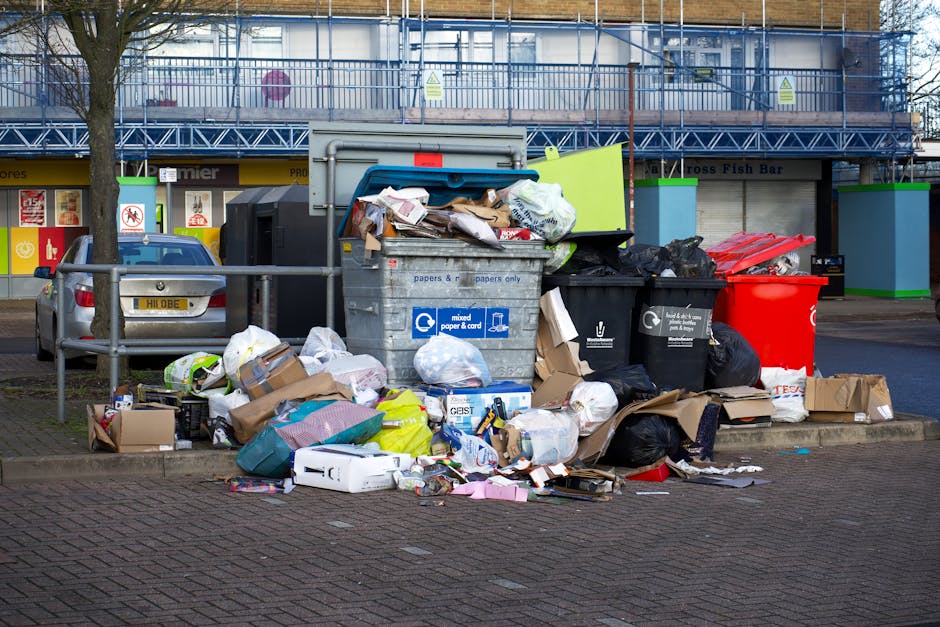
Lower Road homes are often a mix of flats, conversions, and busy multi-occupancy properties, so rubbish removal is rarely as straightforward as leaving a bag outside. Access can be tight. Parking can be limited. Shared hallways need to stay clear. And if waste sits around too long, it becomes more than an eyesore; it can become a nuisance for neighbours too.
That is why a sensible rubbish removal plan matters. It helps you keep your home safe, avoid clutter, and move waste out in a way that fits the building, the street, and your schedule. In practical terms, it also prevents the classic "we'll sort it tomorrow" problem. Tomorrow has a habit of turning into next week.
For households with larger clear-outs, the issue goes beyond convenience. Mixed waste, bulky furniture, old appliances, and renovation debris each need different handling. If you want a fuller overview of how collection and clearance services are structured, it can help to look at general waste removal options alongside more specific services such as flat clearance and house clearance.
Practical takeaway: The best rubbish removal plan for Lower Road homes is usually the one that matches your access, your waste type, and how quickly you need the space back.
How rubbish removal works
Most rubbish removal jobs follow a simple pattern: assess the waste, separate anything special, remove it safely, and dispose of it through the appropriate route. The details matter, though. A bag of old clothes is not treated the same way as a fridge, a broken wardrobe, or builders' rubble. That part trips people up more than you might think.
For many Lower Road homes, the process starts with a quick sense-check of what needs to go. Is it a one-off bulky item? A cluttered spare room? Post-renovation material from a bathroom or kitchen update? Or a mix of everything, which is often the reality in real homes, not neat examples on a service page.
Once the load is understood, there are usually a few ways to handle it. You might book a clearance team, use a skip if your property suits that option, or split the waste into separate categories for disposal. If you are unsure what can safely go into a skip, the guide on what can go in a skip is a useful place to start.
Some items need extra care. Fridges, freezers, and other appliances should be dealt with properly, and hazardous materials should never be mixed in with ordinary rubbish. If those items are part of your pile, look at fridge and appliance removal and hazardous waste disposal before you book anything.
Key benefits and practical advantages
The obvious benefit is getting rid of unwanted waste. Fair enough. But the real value is usually in the knock-on effects: you regain floor space, your home feels more manageable, and you reduce the chance of waste-related hassle hanging around the building.
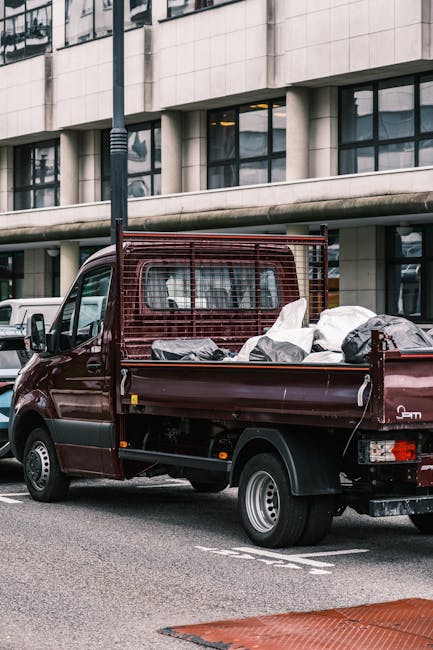
Lower Road homes often benefit from a service that handles lifting, loading, and transport in one go. That can be a huge relief if you live upstairs, have no car, or simply do not fancy wrestling a mattress down a narrow stairwell at 7 a.m. Nobody does, honestly.
Here are the practical upsides most people notice:
- Faster turnaround: useful when you are moving, decorating, or need a room cleared quickly.
- Less manual effort: especially helpful for bulky furniture, appliances, or awkward items.
- Cleaner common areas: important in flats and shared entrances.
- Better sorting: recyclable and reusable materials can be separated more effectively.
- Reduced stress: one visit is easier than several trips to sort waste yourself.
If your home project includes furniture, a focused service can be more efficient than a generic clear-out. For example, furniture clearance or mattress and sofa disposal may suit a quick refurbishment better than a broad all-waste approach.
There is also a sustainability angle. Reuse and recycling are often possible for suitable items, which is why it is worth looking at a provider's recycling and sustainability approach before you decide. Not every item can be diverted, of course, but a better sorting process usually means less ends up as mixed waste.
Who this is for and when it makes sense
This guide is for anyone in a Lower Road home who needs waste removed without turning the job into a full weekend ordeal. That includes tenants, landlords, homeowners, property managers, and anyone in the middle of a move or refurbishment.
It makes sense when:
- you have bulky rubbish that will not fit in normal bins;
- you are clearing a flat after a tenancy change;
- you need old furniture or appliances out quickly;
- you are finishing a loft, garage, or home declutter;
- you want a simpler alternative to arranging multiple trips yourself;
- you need waste removed from a property with tight access or stairs.
For smaller household jobs, home clearance can be a good fit. For larger or more complete property clear-outs, house clearance may be more appropriate. And if you are dealing with a compact apartment, flat clearance is often the more natural match.
A quick real-world example: if you are replacing a sofa, clearing a wardrobe, and getting rid of some bagged clutter from under the bed, that is a different job from a full property clear-out. The best method changes with the mix. It sounds obvious, but people often overbuy or overbook because they skip that first step.
Step-by-step guidance
If you want the process to stay smooth, the easiest route is to work through it in a sensible order. No drama, no guesswork.
- Sort the waste by type. Separate ordinary rubbish, furniture, appliances, renovation debris, and anything that might be hazardous.
- Clear a safe path. In Lower Road homes, this can make a huge difference. Hallways, stairwells, and doorways should be easy to move through.
- Measure the awkward items. Big sofas and wardrobes are the usual culprits. If it looks tight, it probably is.
- Decide what is reusable, recyclable, or disposable. A decent service will usually handle this properly, but it helps to know what you have.
- Check for special handling needs. Fridges, freezers, and anything potentially hazardous should be flagged early.
- Choose the most suitable removal method. For some homes, a crew collection is best; for others, a skip or mixed-waste removal is more practical.
- Confirm timing and access. Buildings near Lower Road can have busy parking and loading conditions, so a clear schedule avoids awkward delays.
- Prepare the property. Move fragile items, protect floors if needed, and keep pets or children away from the work area.
If you are dealing with renovation leftovers, look into builders waste clearance. It is a different category from standard household rubbish, and it helps to treat it that way from the start.
One small thing people forget: set aside documents, keys, chargers, and anything personal before the clearance begins. You only need to lose one spare set of keys to become strangely interested in meticulous sorting.
Expert tips for better results
In practice, the smoothest jobs are nearly always the ones prepared with a little care in advance. Nothing fancy. Just common sense, done early.
1. Keep similar waste together. It makes lifting faster and helps avoid accidental mixing of materials that should be handled separately.
2. Put the heaviest items closest to the exit. That sounds minor, but on the day it can save a surprising amount of time and noise.
3. Check access before the collection window. If there is a tight stairwell, a coded entrance, or a difficult parking situation, mention it early. It saves the "ah, right" moment later on.
4. Be honest about volume. Overestimating waste can mean you pay for space you do not need. Underestimating can mean an incomplete job. Neither is ideal.
5. Ask about recycling and disposal routes. Good practice matters. If a provider can explain how items are sorted, that is a reassuring sign.
6. Use specialist services for specialist items. Sofas, mattresses, appliances, confidential papers, and business waste often need their own handling route. For example, confidential shredding is useful if you are clearing paperwork from a home office.
Here is a quiet professional rule: if something looks questionable, pause. Ask. It is better to clarify than to throw a problematic item in with general waste and hope for the best. Hope is not a disposal strategy.
Common mistakes to avoid
Most rubbish removal problems are preventable. That is the good news. The awkward news is that the same mistakes keep happening because people are rushing.
- Mixing hazardous items with general waste: this is one of the biggest avoidable risks.
- Leaving access until the last minute: stairs, lifts, parking, and entry codes should be checked in advance.
- Assuming all furniture is treated the same: sofas, wardrobes, and beds may require different handling.
- Choosing the wrong service type: a flat clearance is not always the same as a full home clearance.
- Forgetting appliance disposal rules: fridges and similar items are not just another bulky object.
- Not asking what happens to the waste: recycling, reuse, and disposal routes should be clear.
Another subtle mistake is underpreparing the home itself. A few minutes clearing the path, lifting loose items, and opening doors can make the work far cleaner and safer. It is mundane, yes, but it matters.
If you are dealing with old items from the shed or basement, the dedicated garage clearance page may be useful too. Likewise, if the job has spread upstairs into the roof space, loft clearance is a more accurate fit than a generic waste callout.
Tools, resources and recommendations
You do not need much to prepare for rubbish removal, but a few simple tools make life easier. A tape measure, strong gloves, a marker pen, heavy-duty bags, and a phone camera are often enough for basic planning.
Here is a useful way to think about preparation:
- Tape measure: check whether bulky items can fit through the route out of the property.
- Gloves: useful if you are moving broken items, old boxes, or dusty materials.
- Bags or boxes: good for grouping smaller waste before collection.
- Labels: handy for separating items that will be reused, donated, or removed.
- Phone notes: keep a rough list of what is going, especially if you are comparing options.
For readers comparing disposal routes, these pages are worth a look because they help narrow the job down properly: pricing and quotes, payment and security, and insurance and safety. They support the decision-making side, not just the collection itself.
If your waste is mostly domestic and varied, home clearance may be the most efficient route. If it is mainly office paperwork, furniture, or mixed workplace items from a home office setup, office clearance may be a better match. That distinction is small, but it helps.
Law, compliance and best practice
Waste removal in the UK comes with responsibility, even for ordinary household rubbish. You do not need to become a legal expert to do the right thing, but it is worth knowing the broad principles.
First, waste should be passed to a legitimate carrier or disposal route. Second, hazardous items should be handled with extra care. Third, the person arranging the clearance should avoid mixing materials in a way that creates risk for workers, neighbours, or the environment. That is just good practice, and in some cases, a legal duty may apply depending on the waste type.
For home and flat clearances, common-sense compliance usually means:
- separating hazardous waste from ordinary waste;
- not leaving rubbish where it blocks shared access;
- handling appliances and bulky items safely;
- making sure confidential materials are destroyed properly;
- choosing a provider that follows sensible health and safety procedures.
For peace of mind, it helps when a company is transparent about how it works. Pages such as health and safety policy and about us can give you a better sense of approach and standards, even before you speak to anyone directly.
There is also a practical compliance angle for flats and shared buildings. Hallways, exits, and communal areas must be kept usable. If your waste pile risks causing obstruction, do not leave it hanging around. Move it, book it, sort it. Simple as that.
Options, methods, and comparison table
There is no one-size-fits-all solution. The best method depends on volume, access, and what you are throwing away. For Lower Road homes, that choice matters because the wrong option can be awkward fast.
| Method | Best for | Pros | Things to watch |
|---|---|---|---|
| House or flat clearance | Mixed household waste, furniture, decluttering | Convenient, handles lifting, good for larger clear-outs | Needs clear access and a proper item list |
| General waste removal | Smaller mixed loads or one-off rubbish | Flexible and straightforward | Not every item is suitable |
| Skip-based disposal | Suitable DIY or renovation waste | Handy if you can load it yourself | Space, permits, and item restrictions can matter |
| Specialist item removal | Appliances, sofas, mattresses, hazardous items | Safer handling and better sorting | May need separate booking or preparation |
If you are clearing a single bulky item, specialist disposal is often easiest. For example, a sofa, bed, or fridge is usually better treated through a targeted route rather than lumped in with general clutter. That is where furniture disposal or mattress and sofa disposal can be more efficient than a broad clear-out.
And if you are comparing methods because you are not sure what fits your home, that is a good sign. It means you are thinking like a practical person, not just a rushed one.
Case study or real-world example
Here is a typical Lower Road scenario. A resident in a first-floor flat is moving out and has a broken bed frame, an old wardrobe, several bags of mixed household rubbish, and a fridge that is no longer working. The hallway is narrow, the lift is small, and parking outside is not exactly generous. Bit of a headache, really.
The best outcome comes from planning it properly:
- the bed frame and wardrobe are separated as bulky furniture;
- the fridge is flagged for specialist appliance removal;
- bagged waste is grouped together for quicker loading;
- access to the property is confirmed in advance;
- the resident clears the route from the front room to the door before the team arrives.
The result is usually faster removal, fewer trips, and less disruption to neighbours. More importantly, the job is handled in a way that feels orderly instead of chaotic. That matters in apartment living, where one clumsy move can affect the whole corridor.
A similar pattern applies to end-of-tenancy clear-outs, post-decoration waste, or garage decluttering. The details change, but the logic is the same: sort first, plan access, choose the right route, and keep special items separate. Simple, but not always easy when life is busy.
Practical checklist
Use this checklist before your rubbish removal day:
- Have you sorted waste into clear categories?
- Have you identified any appliances, hazardous items, or confidential materials?
- Have you measured any large furniture or awkward items?
- Is the access route clear from the room to the exit?
- Have you checked parking, building access, or lift arrangements?
- Are breakables, valuables, and personal paperwork removed?
- Do you know whether you need flat clearance, house clearance, or a more specific service?
- Have you asked about recycling, disposal, and sorting practices?
- Are you clear on timing and what the job includes?
- Do you have a backup plan if access changes on the day?
If you want a more rounded property solution, you can also look at home clearance and flat clearance options, depending on the layout of the home and the type of items involved.
Conclusion
Rubbish removal in Lower Road homes does not have to be complicated. Once you match the method to the waste type, check access properly, and separate special items early, the whole process becomes much easier to manage. That is really the heart of this guide.
The best results usually come from a little preparation and a sensible choice of service. Whether you are clearing a single room, dealing with bulky furniture, or sorting out a full property reset, the goal is the same: remove the waste cleanly, safely, and without turning your week upside down.
If you are ready to get the job moving, explore the relevant service pages, check the practical details, and choose the option that suits your home best. A tidy space can feel surprisingly light, almost like the flat has been breathing a bit easier all along.
Get a free quote today and see how much you can save.
Frequently Asked Questions
What is the easiest way to arrange rubbish removal for a Lower Road flat?
For most flats, the easiest route is usually a service that handles lifting, loading, and disposal in one visit. That is especially helpful if the building has stairs, a small lift, or awkward access. Flat clearance is often the most practical place to start.
Can I put all household waste into one pile?
You can group it together for planning, but it is better to keep appliances, hazardous items, furniture, and ordinary rubbish separate. It helps the removal go faster and reduces the chance of something being handled incorrectly.
Do I need a special service for a sofa or mattress?
Usually, yes. Sofas and mattresses are bulky, awkward, and often better dealt with through a dedicated disposal route. That is why specialist pages such as mattress and sofa disposal can be useful.
What should I do with an old fridge or freezer?
Do not place it with general rubbish. Fridges and freezers need proper appliance handling, so it is best to use a suitable removal service that can deal with them safely.
Is rubbish removal different from house clearance?
Yes, although they overlap. Rubbish removal usually refers to waste and unwanted items more generally, while house clearance is broader and often covers a full property or larger section of it. The right choice depends on the scale of the job.
How do I know whether I need flat clearance or home clearance?
If you live in an apartment or converted flat, flat clearance is often the better fit. If the property is more like a house or the job involves several rooms and mixed contents, home clearance may make more sense.
What if I have items that might be hazardous?
Keep them separate and ask before booking. Hazardous items should never be mixed with ordinary household waste. It is much safer to identify them early and use the right disposal route.
Can rubbish removal help with end-of-tenancy cleaning?
Absolutely. A clear-out often makes the next cleaning stage much simpler. Removing bulky waste and leftover items first can save time and make the property feel properly reset.
How should I prepare my home before the team arrives?
Clear hallways, move personal items, and separate anything fragile or valuable. If possible, measure bulky items and keep doors open along the route out. Small prep, big difference.
What happens if I am not sure how much waste I have?
Take a rough inventory and a few photos if possible. It is better to describe the waste clearly than to guess. A good quote process should help you match the service to the actual load.
Are recycling and reuse part of rubbish removal?
They can be, depending on the items and the condition they are in. A responsible provider will sort materials where possible and separate what can be reused or recycled from general waste.
Where can I find more information before booking?
Useful pages include pricing and quotes, recycling and sustainability, insurance and safety, and the relevant service pages for your item type. If you are still unsure, a direct conversation is usually the easiest next step.