Upcycle Your Way to a Greener, More Creative Home
Are you searching for ways to live more sustainably while also unleashing your creativity? Look no further than upcycling! Transforming everyday items bound for the landfill into beautiful, functional pieces not only reduces waste but also adds unique charm to your living space. In this comprehensive guide, we'll show you how to upcycle your way to a greener, more creative home, offering inspiration, practical steps, and expert tips for beginners and seasoned DIYers alike.
What is Upcycling?
Upcycling is the process of reusing and repurposing discarded items or materials, creatively transforming them into something new and valuable. Unlike recycling, which often involves breaking materials down before remaking them, upcycling enhances the original item's value without significant energy use or industrial processing. Think creating a stylish lamp from an old bottle or converting worn-out jeans into trendy tote bags.
- Upcycling = Reusing materials creatively
- Recycling = Breaking down and remaking materials
- Downcycling = Turning materials into something of lesser value
By choosing to upcycle in your home, you can truly combine environmental stewardship with personal expression and creativity.

Why Upcycle? The Many Benefits for Home and Planet
Embracing upcycling for your home offers a slew of advantages beyond just "going green." Here's why more people are choosing to upcycle household items:
1. Reduce Environmental Impact
- Less Waste: Upcycling keeps useful materials out of overflowing landfills.
- Lower Carbon Footprint: Since upcycling avoids industrial recycling processes, greenhouse gas emissions are minimized.
- Resource Conservation: Reusing items conserves raw materials and reduces demand for virgin resources like wood, metals, and plastics.
2. Save Money
- Upcycling helps you furnish, decorate, and organize your home at little to no cost.
- It's a fantastic way to repurpose furniture or home wares instead of buying new.
3. Express Unique Style
- Upcycled home decor boasts a distinct personality you can't find in stores.
- Customization: Every project can be tailored to your personal taste, color scheme, and needs.
4. Encourage Creativity and Learning
- Upcycling inspires artistic thinking, problem-solving, and hands-on skills.
- It's a great family activity that teaches kids the value of resourcefulness and sustainability.
Bonus: By upcycling, you become part of a growing movement toward conscious, mindful consumerism--something our planet needs now more than ever!
Easy and Creative Upcycling Ideas for Every Room
Looking for practical ways to upcycle in your home? Here are innovative ideas for different spaces that are simple, fun, and impactful.
Living Room Upcycling Projects
- Pallet Coffee Table: Stack two or three old pallets, add some casters, and top with a glass panel for an industrial-chic statement piece.
- Wine Crate Shelving: Attach vintage wine crates to your wall for instant, rustic storage for books or plants.
- T-shirt Upcycled Throw Pillows: Convert sentimental t-shirts or sweaters into cozy pillow covers for a touch of nostalgia and comfort.
- Bottle Vases: Paint or wrap twine around empty glass bottles to craft elegant vases for fresh or dried flowers.
Kitchen Upcycling Ideas
- Jar Organizers: Clean glass jars can hold utensils, spices, or pantry staples, making your kitchen tidier and more sustainable.
- Canned Food Tin Planters: Paint and punch holes in cleaned food tins to create charming planters for herbs on the windowsill.
- Cutlery Hooks: Bend old spoons or forks and attach them to a wooden board for quirky kitchen hooks.
Bedroom Upcycling Inspiration
- Ladder Nightstand: A vintage ladder makes a unique bedside shelf for books and lamps.
- Drawer Wall Storage: Mount unused dresser drawers on your wall to create floating storage or display shelves.
- Patchwork Quilt: Combine fabric scraps or old clothing pieces to sew a personalized quilt brimming with stories and colors.
Upcycling for Bathrooms
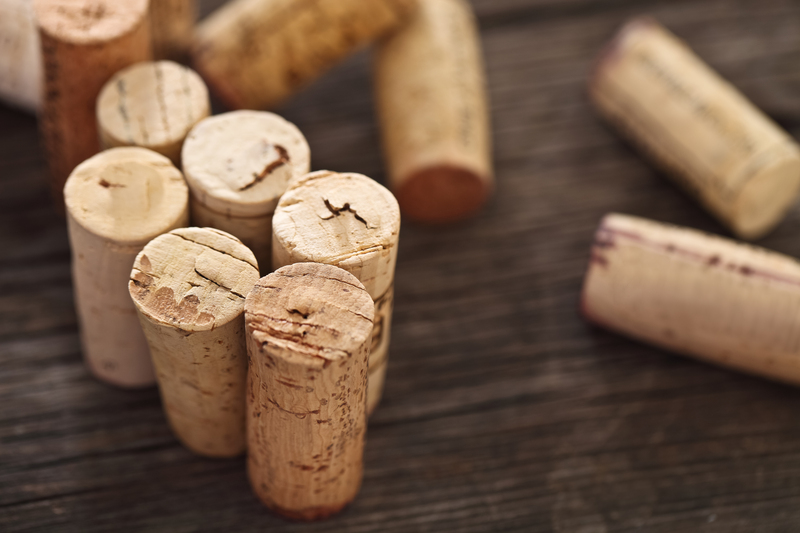
- Wine Cork Bath Mat: Glue wine corks together to form a soft, rustic bath mat that dries quickly and looks amazing.
- Basket Towel Holders: Repurpose baskets as storage for rolled-up towels or toiletries.
- Shampoo Bottle Holders: Cut and decorate old shampoo bottles to create organizers for razors, toothbrushes, or makeup brushes.
Garden and Outdoor Upcycling
- Tyre Planters: Clean and paint old car tires, then stack or hang them to create vibrant planters for flowers or herbs.
- Tool Handle Trellises: Bind broken broom or rake handles together to make attractive supports for climbing plants.
- Plastic Bottle Bird Feeders: Cut and decorate empty bottles to hang as bird feeders, giving pollinators and small birds a treat.
How to Get Started with Upcycling at Home
Starting your home upcycling journey can feel overwhelming, but success comes down to these manageable steps:
1. Gather Raw Materials
Instead of immediately tossing items, consider whether they have upcycling potential. Keep boxes or bins for items like:
- Glass jars and bottles
- Old clothes and textiles
- Wooden crates and pallets
- Cardboard, tins, and plastics
- Broken furniture or parts
2. Find Creative Inspiration
- Browse Pinterest, YouTube, and upcycling blogs for project ideas.
- Join local upcycling workshops or DIY maker spaces.
- Follow social media hashtags like #upcycle, #repurpose or #upcycledhome.
3. Choose Your Project
- Start simple if you're new (e.g., tin can pen holder or t-shirt bag).
- Work with the materials you already have--necessity drives innovation!
- Make an upcycling plan and gather needed tools (scissors, glue, paint, sandpaper).
4. Get Hands-On
Allow yourself to experiment, make mistakes, and enjoy the process. Upcycling is all about personal expression, creativity, and fun!
Tips for Upcycling Success: Design, Safety, and Sustainability
- Clean Materials Thoroughly: Wash and dry items before use to ensure durability and hygiene.
- Think Safety First: Be cautious with sharp tools, power saws, or paints and glues--work in a well-ventilated area and keep children supervised.
- Make Functional Choices: Consider whether your upcycled item will be purely decorative or if it needs to be sturdy (e.g., seating, shelves).
- Don't Overbuy for Upcycling: The goal is repurposing what you have, not purchasing a bunch of new materials.
- Mix and Match Textures: Combining wood, glass, fabric, and metal adds depth and interest to your home decor.
- Personalize! Use stains, paints, decoupage, or stencils to make each project uniquely yours.
Creative Upcycling Success Stories
Across the globe, individuals and communities are making a difference through creative upcycling:
- Reclaimed Wood Furniture: Many artisans craft coffee tables, desks, and even beds using old barn wood or pallets--turning "trash" into heirloom-quality pieces.
- Plastic Waste Art: Artists transform discarded plastics into stunning sculptures, raising awareness about ocean pollution.
- Community Gardens: Entire neighborhoods upcycle tyres, bottles, and even old bathtubs to create thriving urban gardens and food forests.
Your contribution--however small--matters! By upcycling regularly at home, you inspire others and set new trends within your community.
Combining Upcycling with Other Sustainable Practices
While upcycling is powerful, you can further boost your impact by integrating these sustainability best practices:
- Reduce First: Be mindful about bringing new items into your home, opting for reusable and long-lasting goods.
- Recycle Responsibly: For items you can't upcycle, ensure they're disposed of through proper recycling channels.
- Compost: Organic materials like food scraps and yard waste can be turned into nutrient-rich compost for gardening projects.
Mix and match these methods for a holistic, eco-friendly living strategy.
Frequently Asked Questions About Upcycling for a Greener Home
Is upcycling better than recycling?
Yes, in many cases! Upcycling keeps more materials "in circulation" for longer, often requiring less energy than recycling because it doesn't break down materials. It adds value while reducing waste, which makes it a preferred solution for everyday items.
What's the difference between upcycling and repurposing?
While both involve reusing items, upcycling typically means improving an item's value, function, or aesthetics, while repurposing can simply assign a new use to an object (e.g., using a mug as a pencil holder).
Do I need any special tools or skills to upcycle at home?
Only basic tools (scissors, glue, screwdrivers, paint, etc.) are needed for most DIY upcycling projects. Online tutorials and workshops can help you develop more advanced skills as you go.
Is upcycling cost-effective?
Absolutely! Upcycling often saves money, since it uses items you already have or can obtain for free. It's a budget-friendly way to improve home decor and organization.
Ready to Upcycle Your Way to a Greener, More Creative Home?
From statement furniture to tiny organizational hacks, upcycling empowers you to live more sustainably while crafting a home that's truly one-of-a-kind. Every jar reused, every pallet repurposed, and every tattered t-shirt reimagined is a victory for your wallet, your creativity, and the planet.
So don't throw it away--upcycle your way to a greener, more creative home starting today!
- Start small--choose your first upcycling project this week and share your results!
- Inspire friends, family, and your community to join the upcycling movement.
- Revisit this guide whenever you need new ideas or motivation to continue living creatively and sustainably.
Happy upcycling!